
January Birth Flowers Meaning & Symbolism Explained
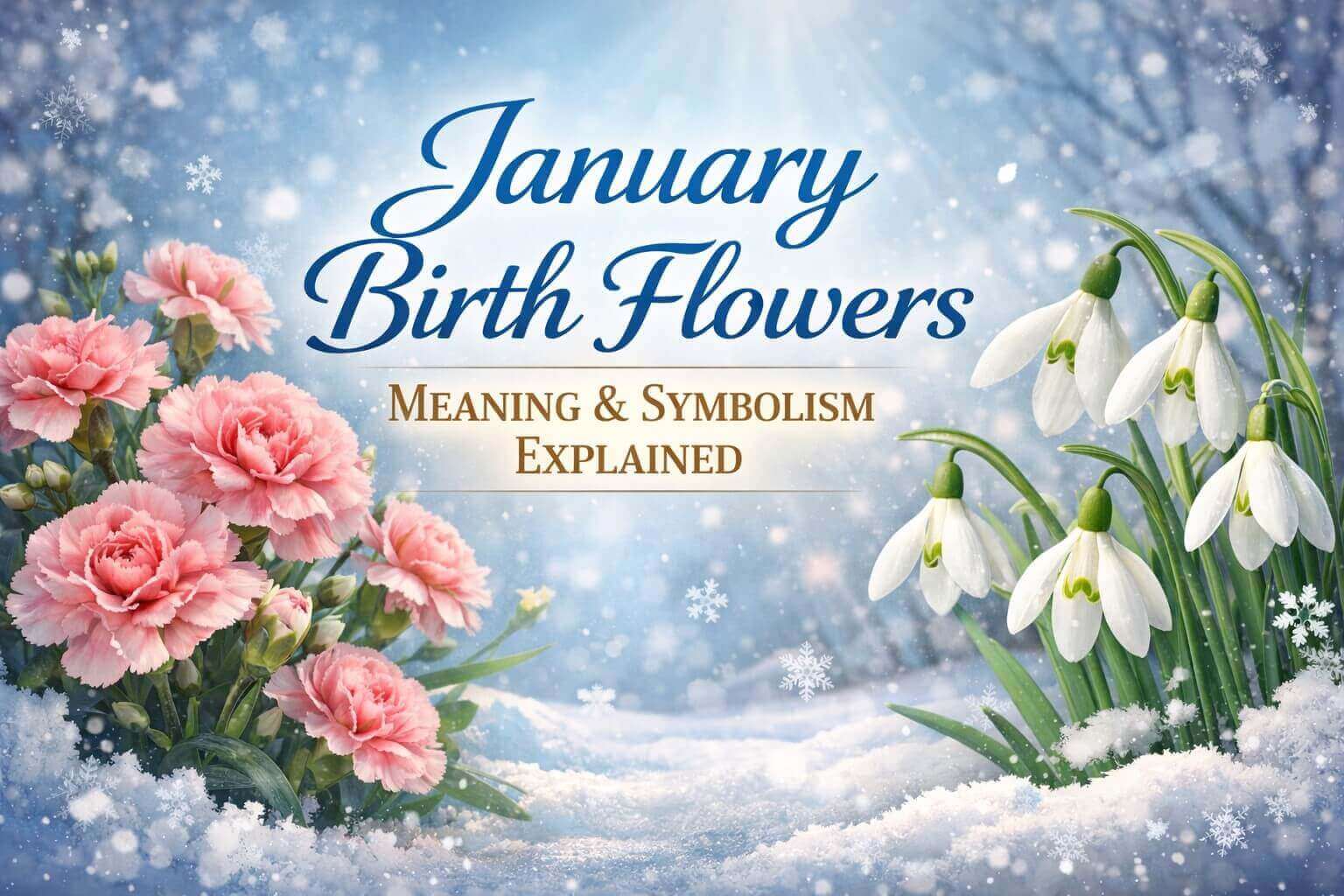
January has two official birth flowers: carnations and snowdrops. Together, they balance endurance and hope. That contrast matters.
January starts quietly. Cold air. Short days. Fewer colors outside. Still, this month has flowers tied to it, and they say a lot about how people survive hard seasons. If a January birthday is coming up, or a winter gift is needed, understanding these flowers helps you choose something that feels right, not random.
January has two official birth flowers: carnations and snowdrops. Together, they balance endurance and hope. That contrast matters.
Understanding January birth flowers
Birth flowers come from old European traditions. Each month was linked to plants that could either grow or symbolically survive that season. January’s choices were never about beauty alone. They were about resilience.
These are known as birth month flowers because they reflect the tone of the month, not just the calendar.
Carnations: Meaning, History, and Use
Carnation Meaning Explained
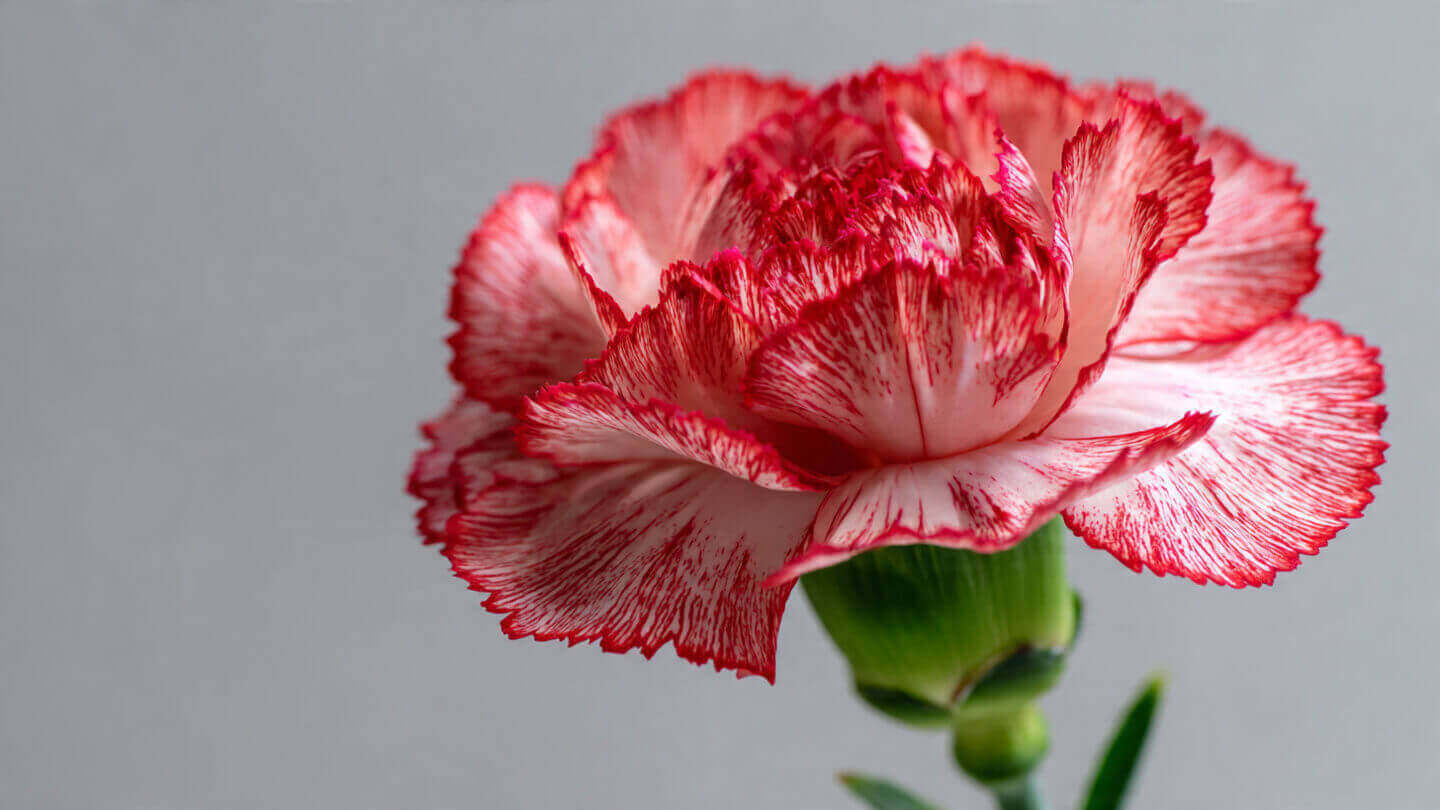
Carnations stand for steady love, loyalty, and persistence. They do not wilt easily. That trait shaped the January flower meaning tied to them.
Different colors carry different messages:
- Red suggests deep affection
- White leans toward remembrance and calm
- Pink is often linked to gratitude
Carnations last longer than many flowers. That matters in winter, when replacement is not always easy.
A short look at history
Carnations trace back over 2,000 years. Ancient Greeks used them in ceremonies. Later, they spread through Europe and became common in winter gifting because they handled cold storage better than most blooms.
That durability is why carnations became one of the most reliable January birth flowers.
Where carnations are found today
Most carnations come from greenhouses during winter months. Florists rely on trusted growers because quality varies widely. A skilled Grand Rapids florist usually selects tighter blooms that open slowly, giving longer life indoors.
Snowdrops: Meaning, Symbolism, and Scarcity
Snowdrop symbolism and why it matters
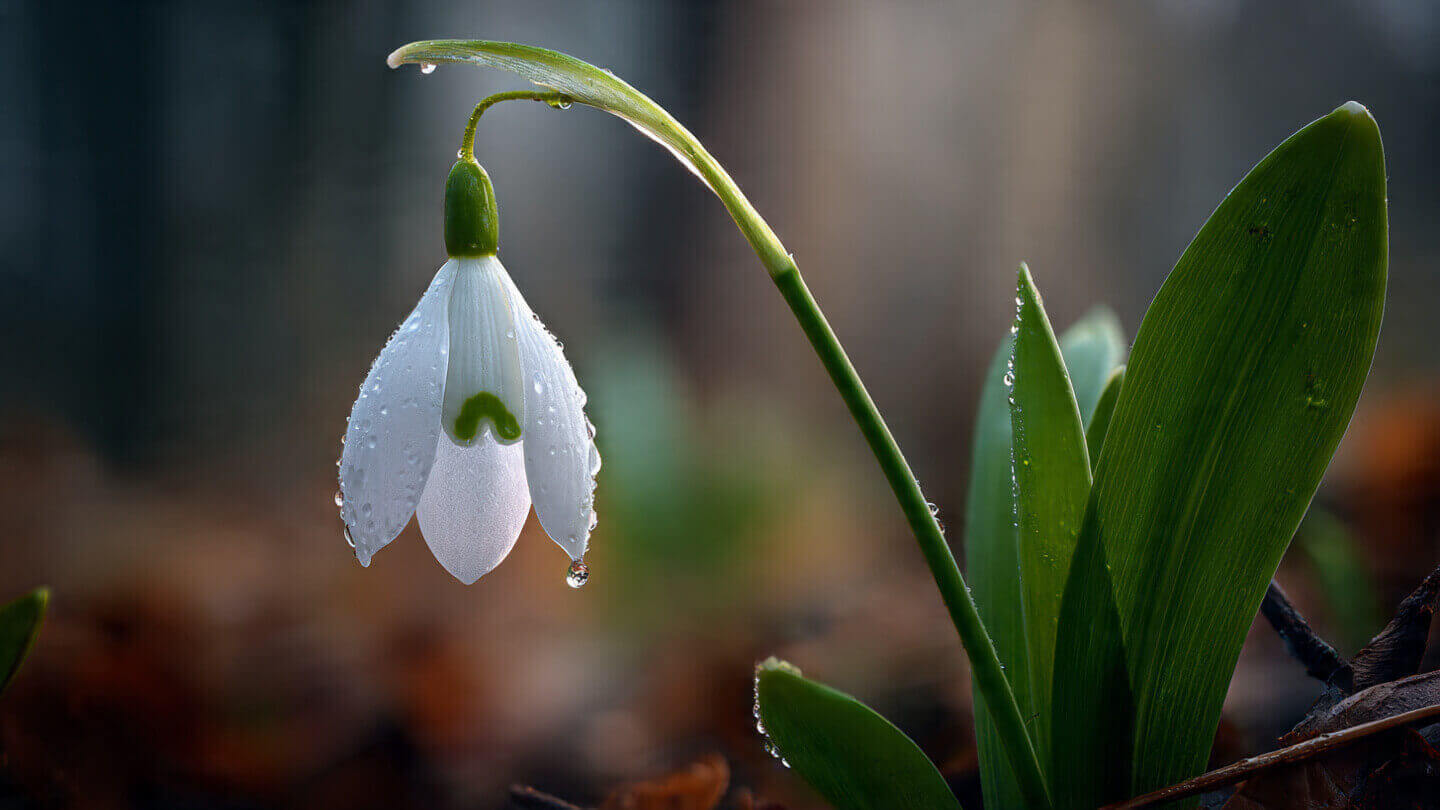
Snowdrops represent hope, renewal, and quiet strength. They often push through frozen soil before winter fully ends. That image stuck.
Snowdrops do not show off. They lean downward. That posture shaped their symbolism over time.
A brief history note
Snowdrops became symbolic during medieval times. They were seen near monasteries and old churchyards, often blooming around late January or early February.
They were also associated with protection and new beginnings, which is why they complement carnations so well.
Where snowdrops are found
Snowdrops are rarely used in large bouquets. They are fragile and seasonal. In Michigan winters, they are more often referenced than arranged. Many floral shops grand rapids mi use snowdrops as inspiration rather than inventory during January.
Choosing January Flowers for Birthdays
When planning a winter birthday gift, think function first, then feeling.
Carnations work well for:
- Indoor spaces
- Long-lasting arrangements
- Delivery during cold weeks
Snowdrops work best as:
- A symbolic mention
- A design influence
- A meaningful note in a card
This approach makes birthday flower delivery in Grand Rapids smoother and more reliable during winter.
Where to Find January Birthday Flowers in Grand Rapids
Winter florals need careful handling. Local sourcing matters. Temperature control matters more.
A dependable shop understands how January orders behave differently than spring ones. Many people choose to order flowers in Grand Rapids, MI, from stores that know winter logistics, not just design trends.
Final Thoughts and How to Order
January flowers are not loud. They are steady. They suit people who show care through actions, not noise. Carnations bring endurance. Snowdrops bring quiet hope. Together, they fit the month well.
If a January birthday is approaching, or a winter gesture is needed, choosing flowers with meaning makes the gift feel intentional.
For local, winter-ready arrangements and thoughtful guidance, place an order through Southside Flower Market, your #1 Grand Rapids florist. It keeps the process simple, timely, and grounded in what January flowers are meant to say.